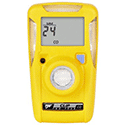
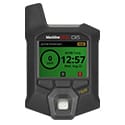
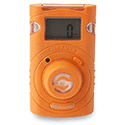
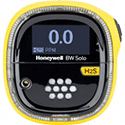
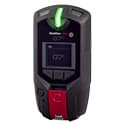
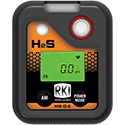
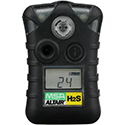
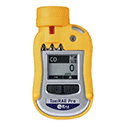

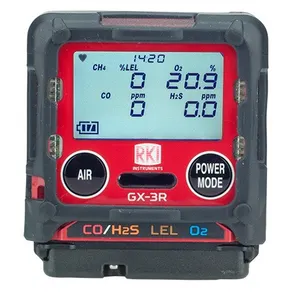
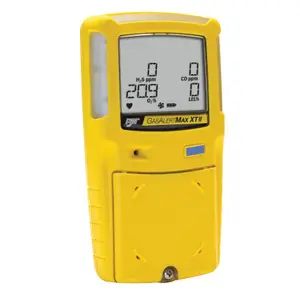
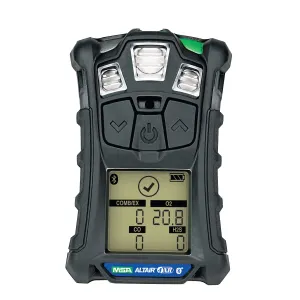
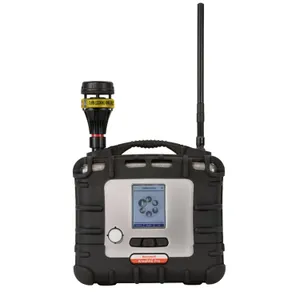
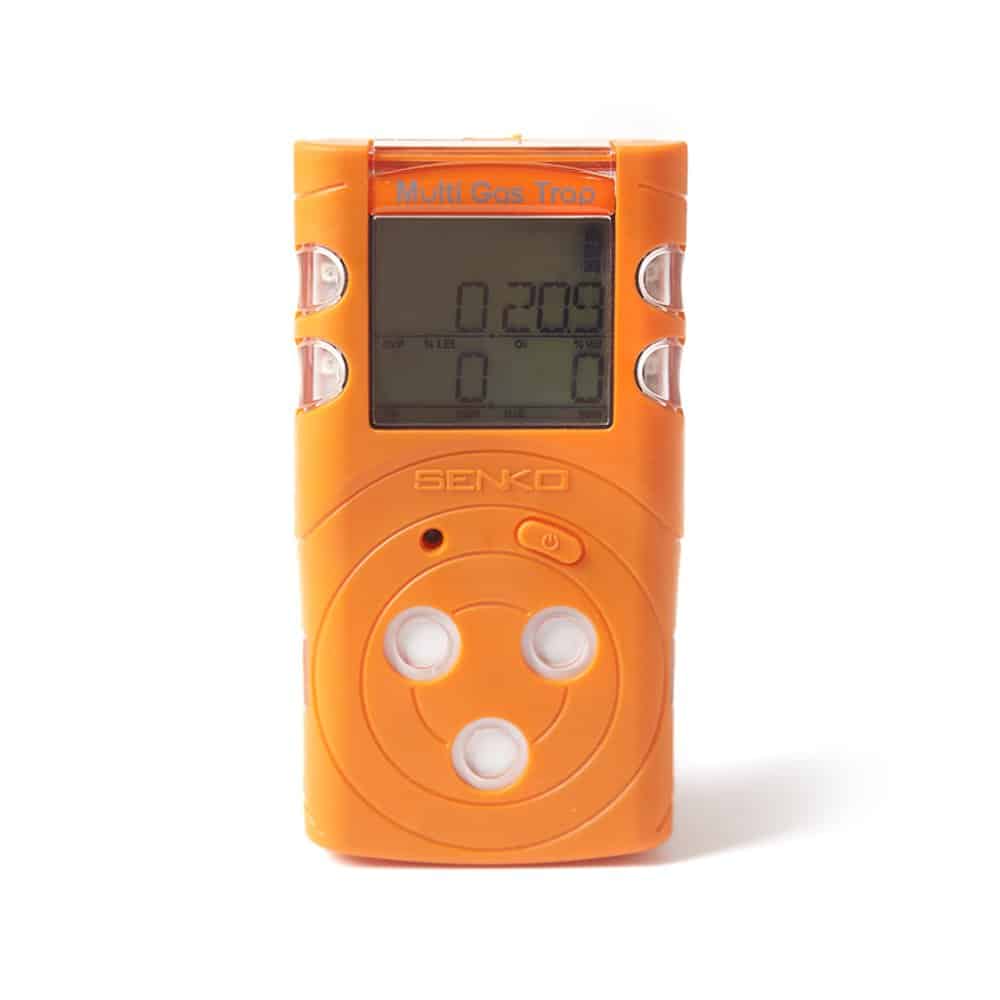
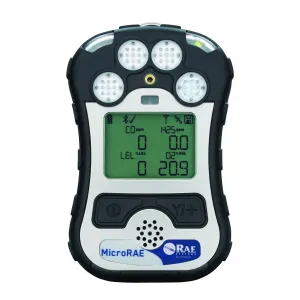
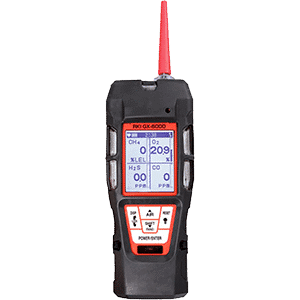




Some of the most dangerous gases on an industrial site are invisible and odorless. Hydrogen sulfide (H2S) can reach fatal concentrations before anyone detects it by smell. Carbon monoxide (CO) builds silently in confined spaces. Oxygen-deficient atmospheres and combustible gas accumulations give no warning you can sense without equipment.
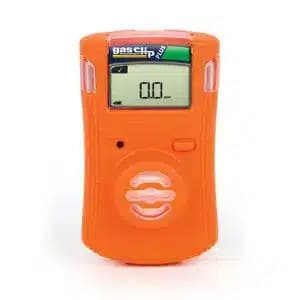
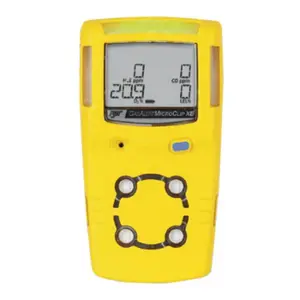
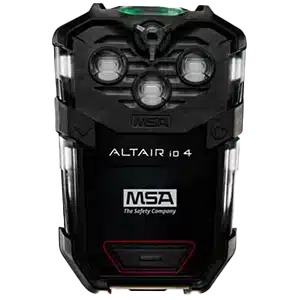
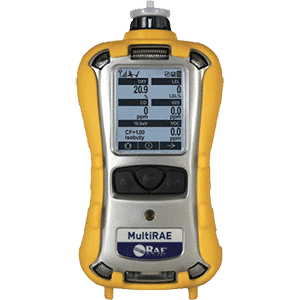
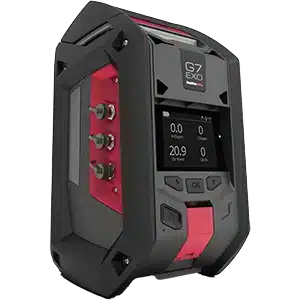
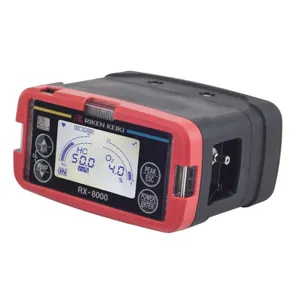
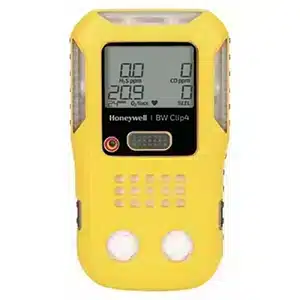
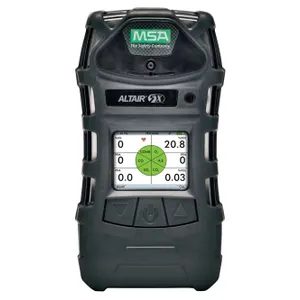
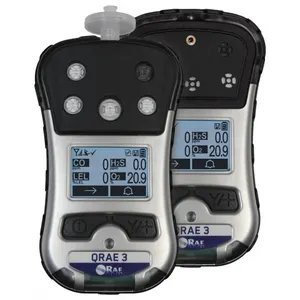
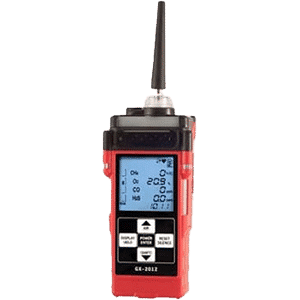
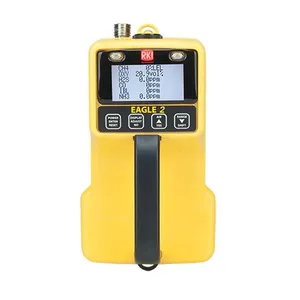
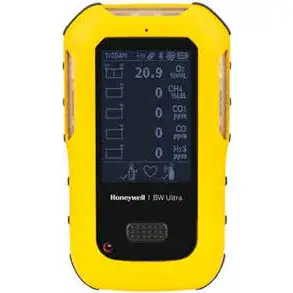
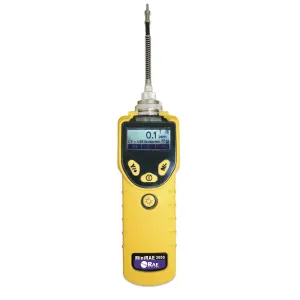
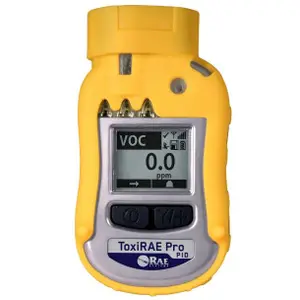
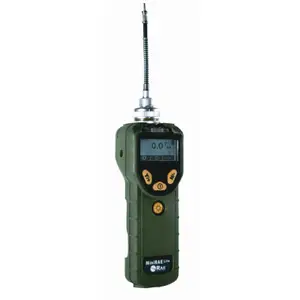
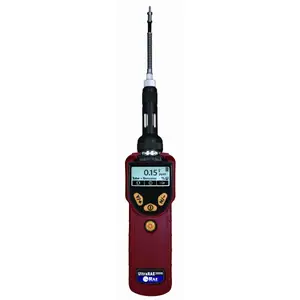
A multi-gas detector is a portable device that monitors several gases simultaneously and is the frontline tool for protecting workers in these environments. But not every model fits every site. Buying the wrong device can lead to equipment workers won’t use, audit failures, or missed alarms when it matters most.
This guide walks through the 10 features that separate a reliable multi-gas detector from a costly mistake, so you can match the right gas detection equipment to your site’s actual hazards.
Why the Right Multi-Gas Detector Matters
Every industry has its own gas hazard profile. Oil and gas operations deal with combustible gases and H2S. Wastewater facilities face hydrogen sulfide and methane accumulation. Chemical plants may have chlorine, ammonia, or solvent vapors alongside the standard 4-gas risks. Mining and construction environments pose risks of oxygen deficiency and CO exposure.
When a detector isn’t configured for your specific hazards, workers either carry a device that can’t detect the gases they’re exposed to or one that’s so complex or uncomfortable it gets clipped to their bag instead of their body. Both outcomes leave your team unprotected. Getting the specification right from the start separates a safety program that works in the field from one that only works on paper.
10 Features to Look for in a Multi-Gas Detector
The right multi-gas detector for industrial safety depends on these factors:
- The right sensor configuration
- Sensor technology and accuracy
- Clear, multi-sensory alarms
- Hazardous area certifications
- Rugged, ingress-protected build
- Battery life and charging
- Pump or diffusion sampling
- Easy bump testing and calibration
- Data logging and connectivity
- Ergonomics and wearability
1. The Right Sensor Configuration
The standard 4-gas detector monitors oxygen (O2), combustible gas as a percentage of the Lower Explosive Limit (LEL), carbon monoxide (CO), and hydrogen sulfide (H2S). This combination covers core risks in many industrial environments but is not universal.
If your site involves volatile organic compounds (VOCs), you need a photoionization detector (PID) sensor to detect vapors. Ammonia (NH3), sulfur dioxide (SO2), chlorine (Cl2), and nitrogen dioxide (NO2) each require their own electrochemical sensors. Many modern detectors support 5- or 6-gas configurations. Some have interchangeable sensors, letting you reconfigure the device for different tasks or environments.
Match the detector to a documented hazard assessment, not to what another facility uses.
2. Sensor Technology and Accuracy
Most multi-gas monitors use electrochemical sensors for toxic gases like CO and H2S. These reliable, sensitive sensors are suited to concentrations found in workplaces. For LEL detection, the main options are catalytic bead (pellistor) and infrared (IR) sensors.
Catalytic bead sensors are cost-effective and common, but silicones or lead compounds can damage them, and they need oxygen. Infrared LEL sensors are immune to catalyst poisoning and work in oxygen-deficient atmospheres, ideal for confined spaces or inert-purge environments.
Response time, or T90 (time to reach 90% of the reading), matters in changing atmospheres. For toxic gases, faster response reduces exposure before alarms. Cross-sensitivity, when a sensor responds to non-target gases, can cause nuisance alarms. Check manufacturer cross-sensitivity data for site gases.
3. Clear, Multi-Sensory Alarms
A reliable multi-gas detector uses three alarm modes simultaneously: audible, visual, and vibration. Audible alarms must be loud enough to cut through industrial noise. Look for ratings of 90 dB or higher. Visual alarms (flashing LEDs or strobe lights) matter when workers wear hearing protection. Vibration alarms are especially valuable where both sound and sight can be compromised.
Beyond the basic alarm, check that the device supports distinct signals for different alarm types:
Low and high concentration alarms for each gas (triggered at different set points)
TWA (Time-Weighted Average) alarms for cumulative exposure over a shift
STEL (Short-Term Exposure Limit) alarms for acute short-duration exposure peaks
Workers should be able to identify what type of alarm is sounding, not just that something is alarming, without looking at the display.
4. Hazardous Area Certifications
A device sold as “suitable for industrial use” and a device certified for classified hazardous areas are not the same thing.
Intrinsically safe gas detectors are designed so the device cannot produce a spark or heat that could ignite a flammable atmosphere, even under fault conditions. For work in classified locations, where flammable gases or vapors may be present, intrinsic safety certification is a regulatory requirement, not a preference.
In North America, look for UL or CSA certification to Class I, Division 1 or Zone 0/1 under the newer NEC/CEC system. For international operations, ATEX (European Union) and IECEx (global) certifications apply. Check the certification certificate to confirm the gas groups, temperature class, and conditions of use the device was tested to.
5. Rugged, Ingress-Protected Build
The environments where gas detection is most critical are also the environments hardest on equipment.
An IP (Ingress Protection) rating describes how well a device resists dust and water. For industrial field use, IP65 is the minimum, fully dust-tight and protected against water jets. IP67 and IP68 ratings add submersion resistance, important in wastewater, marine, or outdoor environments where equipment may be dropped in water or used in heavy rain.
Beyond IP ratings, look for drop-test ratings (IEC 68-2-32 or equivalent), chemical-resistant housing materials, and designs easy to clean without disassembly. Devices difficult to wipe down tend to be skipped during end-of-shift cleaning, which affects both hygiene and sensor performance.
6. Battery Life and Charging
A personal gas monitor that dies mid-shift is a safety liability. For most industrial applications, look for at least 12 hours of runtime—enough to cover a full shift with margin. Longer is better where shift lengths are unpredictable or charging access is limited. Some devices offer alkaline battery backup, helping in remote operations without reliable charging infrastructure.
Check the low-battery warning system: the device should alert well before shutdown, giving the worker time to leave the hazardous area or swap batteries. Fast charge time matters for multi-shift operations. A 2-hour charge to full is more practical than an 8-hour overnight requirement.
7. Pump or Diffusion Sampling
The sampling method determines if your detector protects workers before they enter a space. Diffusion detectors passively draw air through sensor ports. They are compact, have no moving parts, and are reliable for continuous personal monitoring during normal operations. However, they cannot test air in spaces not yet entered.
For permit-required confined space entry under OSHA 29 CFR 1910.146, pre-entry atmospheric testing is mandatory. This means drawing a sample before entry. A built-in or attachable pump allows the detector to draw air through a probe and tubing from up to 20–30 feet, depending on the model.
If your team regularly enters confined spaces, verify your detector has pump capability (built-in or accessory), and check tubing length and sample draw time to ensure it reaches the work area.
8. Easy Bump Testing and Calibration
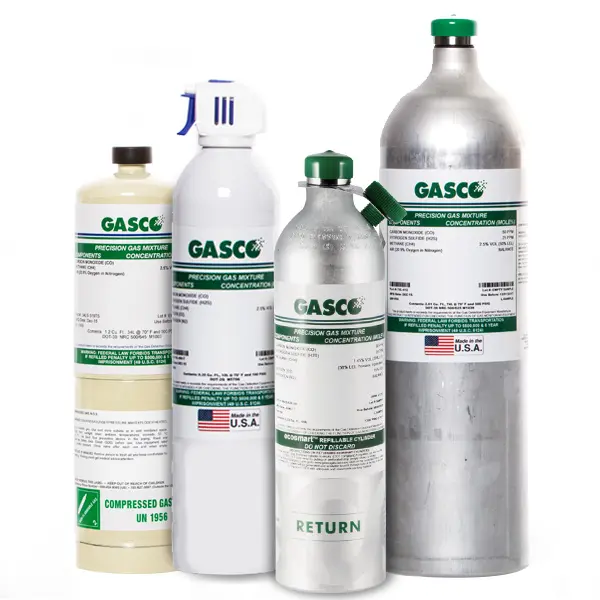
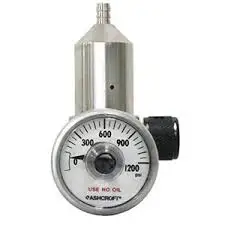
A bump test is a quick functional check. Apply a small amount of calibration gas to the sensors to confirm they respond and alarm correctly. A bump test does not verify accuracy. It only confirms the sensor is working. Full calibration adjusts the sensor’s output to match a known gas-concentration standard.
Follow manufacturer guidelines and applicable regulations for both. Many manufacturers recommend bump testing before each day of use. Full calibration intervals vary by manufacturer, sensor type, and regulatory environment.
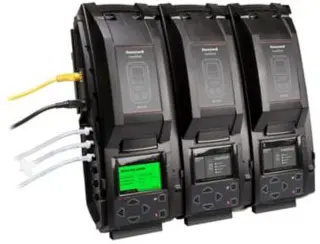
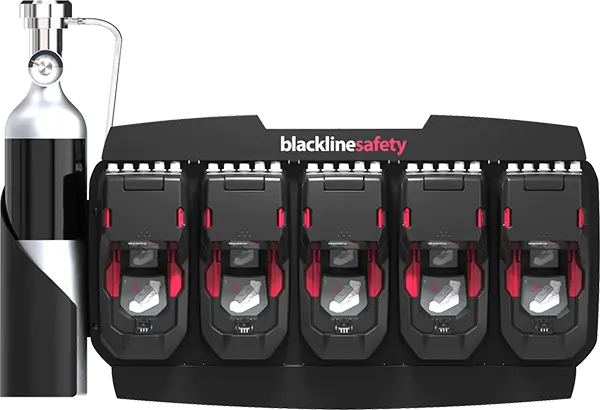
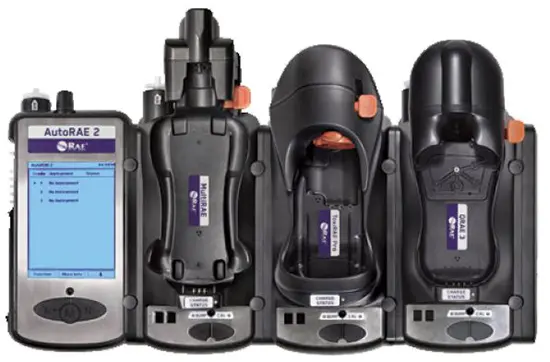
Docking stations automate both processes, log results, and can lock out devices overdue for service. This removes the burden of manual recordkeeping and ensures every device in circulation is in a known, documented state before it enters service.
9. Data Logging and Connectivity
Compliance documentation is only useful if the records are complete, accurate, and retrievable. Modern multi-gas detectors log exposure events, alarm activations, gas readings over time, and device status, all with timestamps. This data supports regulatory compliance, incident investigation, and long-term exposure monitoring.
Connectivity options range from USB data download to Bluetooth and cellular-connected fleet management platforms. Cloud-based systems give safety managers real-time visibility into gas readings and worker locations across an entire fleet, a significant operational advantage for large sites or multi-crew deployments.
For lone workers and remote operations, look for man-down alarms triggered if the device stops moving and panic alarms manually activated. These features extend gas detection into broader worker-safety monitoring.
10. Ergonomics and Wearability
A detector workers don’t wear is worse than no detector at all. It creates a false impression of a protected program. Weight, size, and clip options all affect whether a device stays on the body or ends up in a bag or toolbox. A portable gas detector should be light enough that workers forget they’re wearing it, with a secure clip that works with standard workwear and PPE combinations.
Controls should be operable with gloved hands. The display should be readable in direct sunlight and low-light conditions. Both are common in industrial environments. Devices with large, recessed buttons and high-contrast, backlit displays reduce the chance that workers will ignore or mute alarms because interacting with the device is too cumbersome.
Total Cost of Ownership: Look Beyond the Sticker Price
The purchase price of a multi-gas detector is only part of its lifecycle cost. Sensor life varies by gas type and technology.
Electrochemical sensors typically last 2–3 years, while some infrared sensors last 5+ years. Factor in replacement sensor costs and availability when evaluating models. Calibration gas consumption adds up over time, especially for large fleets with frequent bump testing. Docking stations simplify compliance but require upfront infrastructure investment.
Also consider service plans, warranty coverage, and repair turnaround time. A device out of service for two weeks while waiting for parts creates an operational gap. Lease and rental options can reduce capital expenditure and shift maintenance responsibility to the supplier, a practical choice for project-based work or seasonal operations where fleet size varies.
Quick Multi Gas Detector Buying Checklist
Use this checklist to evaluate a multi-gas detector for your site:
- Sensor configuration matches your site’s hazard assessment
- Sensor technology (catalytic bead vs. IR LEL) fits your atmosphere
- Alarms are audible (90+ dB), visual, and vibrate
- Device carries UL/CSA or ATEX/IECEx intrinsic safety certification for your area classification
- IP rating suits your site’s dust and water exposure (IP65 minimum for field use)
- Battery runtime covers your full shift with a margin
- Pump capability is available if your team performs confined space pre-entry testing
- Bump test and calibration can be automated or documented easily
- Data logging meets your compliance and incident-reporting requirements
- Weight, controls, and display work with your team’s PPE and working conditions
Choosing the Right Multi Gas Detector for Your Team
No single multi-gas detector is best. The right choice depends on the gases your team is exposed to, the environments they work in, and the compliance requirements your program must meet. A device ideal for a refinery turnaround crew may not fit an HVAC team performing confined space entry in a commercial building.
The features in this guide give you a framework for narrowing the options but the final selection should be validated against your specific hazard assessment, regulatory environment, and your team’s day-to-day workflow.
If you need help matching a detector to your site’s requirements, our team can work through the options with you. Browse our multi-gas detector range or contact us to discuss your application.
Frequently Asked Questions
What gases does a 4-gas detector monitor?
A standard 4-gas detector monitors oxygen (O2), combustible gas as a percentage of the Lower Explosive Limit (LEL), carbon monoxide (CO), and hydrogen sulfide (H2S). These gases represent the most common hazards in industrial environments, though you can add sensors for site-specific gases.
How often should a multi-gas detector be bump tested?
Follow your device manufacturer’s recommendations and applicable regulatory requirements. Many manufacturers and industry guidance documents, including ISEA’s guidelines on direct-reading portable gas monitors, recommend bump testing before each day of use to confirm sensors respond correctly.
How long do multi-gas detector sensors last?
Sensor lifespan varies by gas type and technology. Electrochemical sensors for toxic gases typically last 2–3 years under normal conditions. Infrared LEL sensors usually last 5 years or more. Sensors exposed to high concentrations, corrosive gases, or extreme conditions may degrade faster. Check manufacturer specifications and replace sensors on the recommended schedule.
What is the difference between a single gas and multi-gas detector?
A single gas detector monitors one specific gas, often used when workers face a known isolated hazard. A multi-gas monitor detects several gases simultaneously, providing broader protection where multiple hazards may be present. For most industrial operations involving confined space entry, oil and gas, or chemical handling, a multi-gas detector is the appropriate tool.
Explore Our Safety Solutions
At Concept Controls, our specialists can help you assess your environment and match the right device to your needs. Contact us today. We are happy to answer questions, compare products, or arrange a demo.