

Invisible gas hazards remain one of the most serious risks in industrial environments. Toxic gases, oxygen deficiencies, and combustible vapors can develop without warning, and without the right detection equipment, workers have no way of knowing they’re in danger until it’s too late.
Portable gas monitors are the first line of defense against these hazards. They give workers and safety teams real-time data on what’s actually in the air, allowing them to act before a dangerous situation becomes a serious incident.
RKI Instruments is one of the industry’s most trusted manufacturers of portable gas detection equipment, known for rugged construction, reliable performance, and a lineup built for nearly every field application. This guide walks through RKI’s most popular monitors, where each one excels, and how to choose the right solution for your specific worksite.
Why Portable Gas Detection Matters
Hazardous atmospheres are rarely detectable through sight, smell, or instinct. The most common threats workers face include:
- Oxygen deficiency or enrichment: levels outside the safe 19.5%–23.5% range can impair judgment, cause unconsciousness, or create explosive conditions
- gases: hydrogen sulfide, carbon monoxide, and other gases can reach dangerous concentrations with no visible warning
- Combustible gases: methane, propane, and similar gases can accumulate to explosive levels in enclosed or poorly ventilated spaces
- VOCs: volatile organic compounds present chronic and acute exposure risks in industrial and chemical processing environments
- Confined space hazards: tanks, vaults, and other enclosed spaces concentrate all of the above risks in environments with limited escape routes
Beyond the immediate safety concern, regulatory requirements make gas monitoring non-negotiable in many industries. OSHA and Canadian provincial regulations require atmospheric testing before confined space entry and ongoing monitoring in hazardous environments. Documentation from these monitors also supports compliance audits and incident investigations.
Just as important is worker confidence. When employees trust the equipment they’re wearing, they’re more likely to follow safety protocols rather than work around them. A dependable gas monitor is part of building a genuine safety culture.
Choosing the Right RKI Gas Monitor
There isn’t one “best” gas detector. There’s only the best detector for a specific application. The right choice depends on the gases present, the nature of the work, and the environment in which workers operate.
RKI offers a range of portable gas detection monitors designed around these differences. Understanding what each model does well makes it much easier to match the right tool to the job.
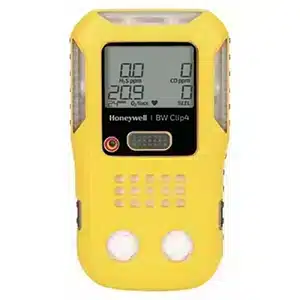
RKI GX-3R: Compact Protection for Everyday Field Work
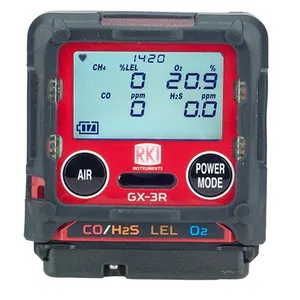
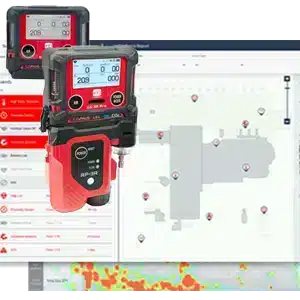
The RKI GX-3R is one of the smallest and lightest 4-gas monitors available, weighing less than 4 ounces. It monitors LEL, O₂, CO, and H₂S simultaneously, providing workers with comprehensive standard coverage in a form factor that stays out of the way throughout a full shift.
Where it excels:
- Confined space entry, thanks to its compact size and reliable standard gas coverage
- Daily field use across industrial maintenance, utilities, and general personal protection
- Applications where workers need dependable monitoring without added bulk
For teams that need straightforward, reliable multi-gas protection without the complexity of additional sensors, the GX-3R is a strong everyday choice.
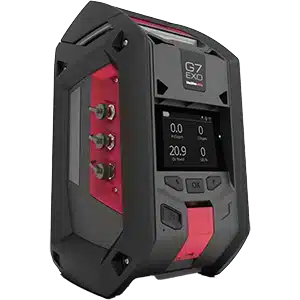
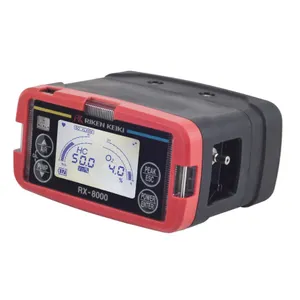
RKI GX-6000: Versatile Multi-Gas Detection for Complex Environments
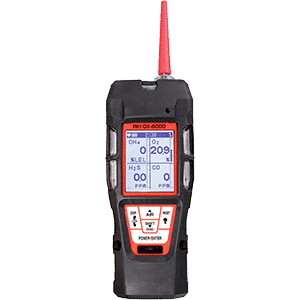
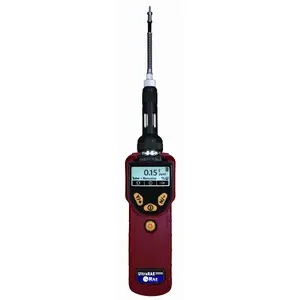
The RKI GX-6000 expands on standard multi-gas monitoring with six-gas capability and optional PID sensors for VOC detection, making it suited for environments where hazards go beyond the typical four-gas configuration.
Where it excels:
- Industrial maintenance and chemical processing facilities with diverse atmospheric hazards
- Refineries, where multiple gas types may be present simultaneously
- Emergency response situations requiring rapid, comprehensive atmospheric assessment
- Applications needing sample draw capability for testing before entry
Its flexibility makes the GX-6000 a strong option for facilities that can’t predict exactly which hazards they’ll encounter on any given day.
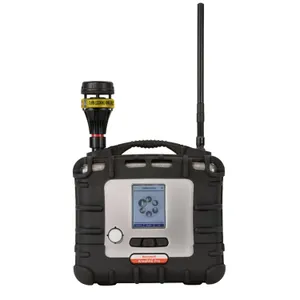
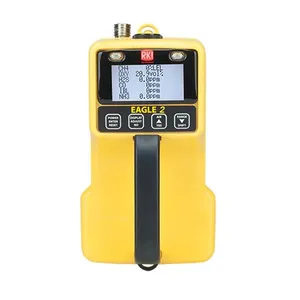
RKI Eagle 2: Advanced Survey and Investigation Capability
The Eagle 2 is built for situations that go beyond routine personal monitoring. As an advanced survey instrument, it supports multiple sensor configurations and long-range sampling, making it well-suited for in-depth hazard investigation work.
Where it excels:
- Leak investigations requiring detailed atmospheric analysis
- Environmental monitoring projects
- Long-range sampling situations where reaching the hazard source directly isn’t practical or safe
- Complex hazard investigations requiring multiple simultaneous sensor types
For safety teams and environmental professionals who need more than a standard personal monitor, the Eagle 2 provides the flexibility and reach that those situations demand.
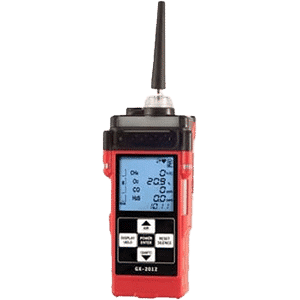
RKI GX-2012: Reliable Four-Gas Monitoring for Everyday Use
The GX-2012 offers dependable four-gas monitoring in a compact, easy-to-use design. It’s a practical choice for utility work and confined-space applications where simplicity and reliability are priorities.
Where it excels:
- Utility applications requiring straightforward, dependable gas detection
- Confined space work where ease of use supports consistent compliance
- Field teams that need a no-frills monitor that performs reliably shift after shift
Which Industries Benefit Most?
Portable gas detection plays a critical role across a wide range of sectors, including:
- Oil and gas
- Utilities
- Water and wastewater
- Construction
- Manufacturing
- Mining
- Fire and rescue
- Municipal services
- Chemical processing
Each of these industries faces a different combination of gas hazards, which is exactly why RKI’s range of monitors—from compact everyday detectors to advanced survey instruments—exists.
Beyond the Instrument
Choosing the right gas monitor is only part of building an effective gas detection program. Ongoing support is what keeps that program functioning as it should. Key elements of a complete program include:
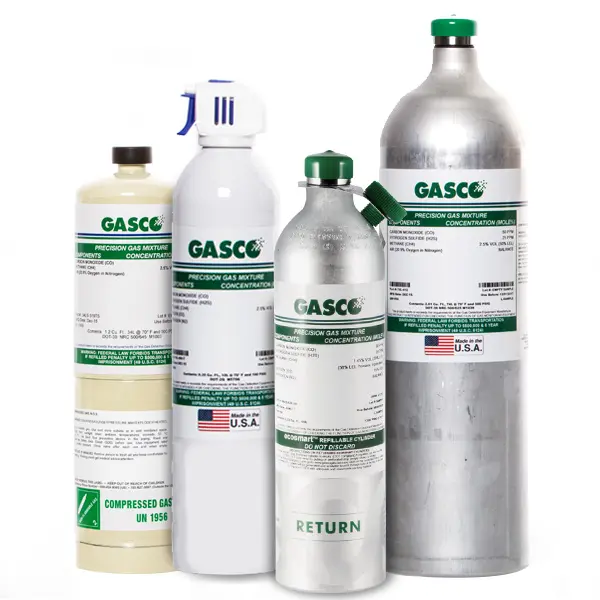
- Calibration: regular calibration against manufacturer specifications keeps sensor readings accurate.
- Bump testing: a quick functional check before each use confirms the monitor is responding correctly
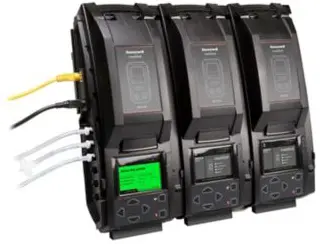
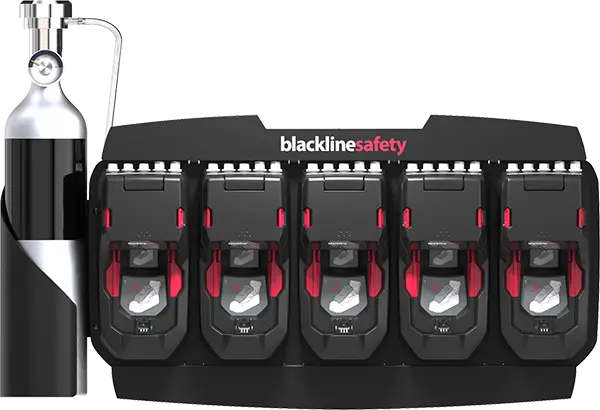
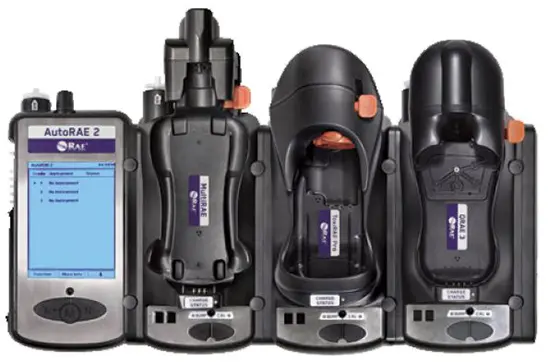
- Docking stations: automated calibration and bump testing reduce the administrative burden of manual recordkeeping.
- Preventative maintenance: proactive servicing helps avoid unexpected equipment failures in the field
- Employee training: workers need to understand how to use, interpret, and respond to their monitors correctly
- Ongoing technical support: having a knowledgeable partner available for troubleshooting and guidance keeps a program running smoothly over time
At Concept Controls, we support customers well beyond the initial purchase through our gas detection services, helping to ensure their gas detection program remains reliable over the long term.
How to Choose the Right Gas Monitor
When evaluating which RKI monitor fits your operation, consider:
- The gases that need monitoring: Identify the specific hazards present in your environment
- How many sensors are required: Standard four-gas coverage versus expanded six-gas or PID capability
- Pumped vs. diffusion sampling: pumped models allow pre-entry testing from a distance; diffusion models are suited for direct personal monitoring
- Data logging needs: whether you require documentation for compliance or incident investigation
- Connectivity requirements: real-time visibility may be valuable for lone workers or large sites
- Environmental conditions: temperature extremes, moisture, and physical durability requirements
- Compliance requirements: specific regulatory or industry standards that apply to your operation
Selecting the right gas monitor is about matching the right tool to the specific hazards your team faces in the field. RKI’s lineup covers a wide range of applications, but identifying the right fit takes more than reading a spec sheet. That’s where the right partner makes a difference.
At Concept Controls, our team works with customers to understand their environment and recommend the solution that genuinely fits their needs, then supports that equipment through calibration, maintenance, and training long after the initial purchase. Contact us to find the right gas detection solution for your application.
Explore Our Safety Solutions
At Concept Controls, our specialists can help you assess your environment and match the right device to your needs. Contact us today. We are happy to answer questions, compare products, or arrange a demo.