

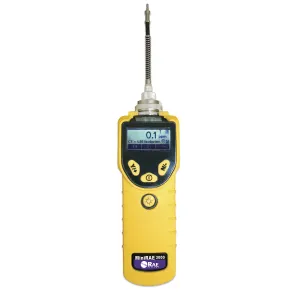
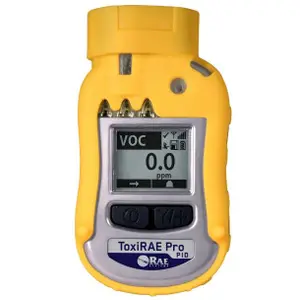
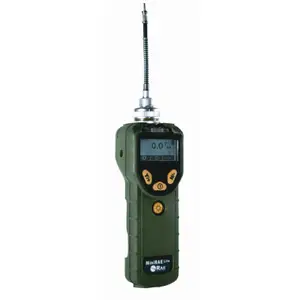
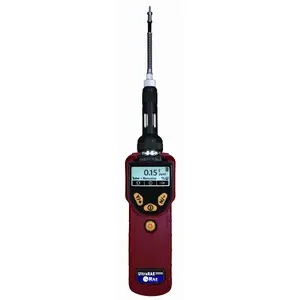


Industrial environments carry invisible risks. Combustible gases, toxic vapors, and oxygen-deficient atmospheres can develop without warning. Without the right detection equipment, workers may not know they are in danger until it is too late.
A multi-gas detector is one of the most important tools in any industrial safety program. Whether your team works in confined spaces, on oil and gas sites, or in manufacturing facilities, the device you choose directly affects how well your workers are protected.
Understanding what to look for helps safety managers and procurement teams make decisions that protect workers, support regulatory compliance, and deliver long-term reliability.
What Is a Multi-Gas Detector?
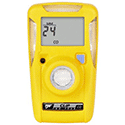
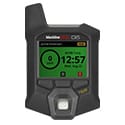
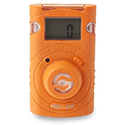
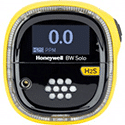
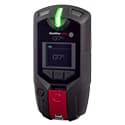
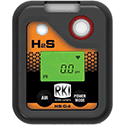
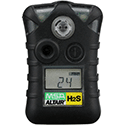
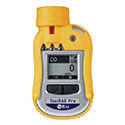
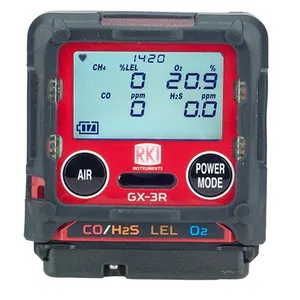
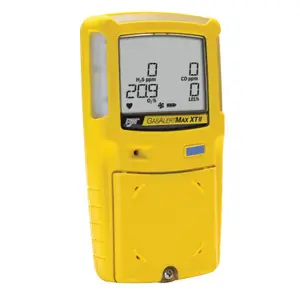
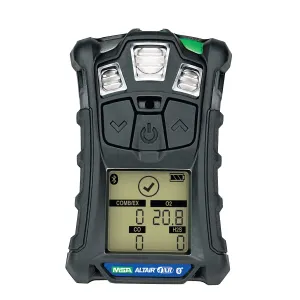
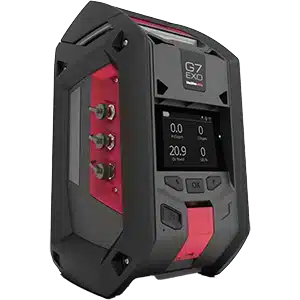
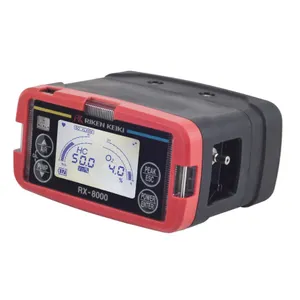
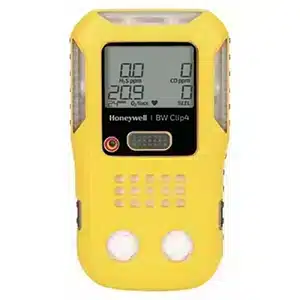
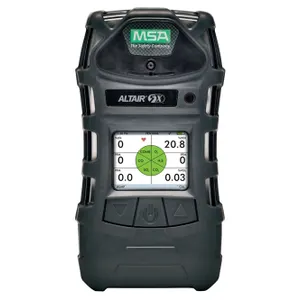
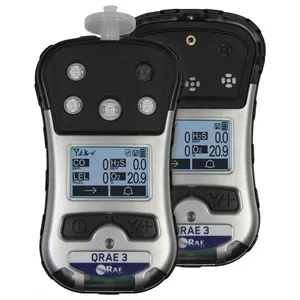
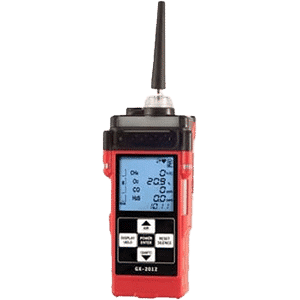
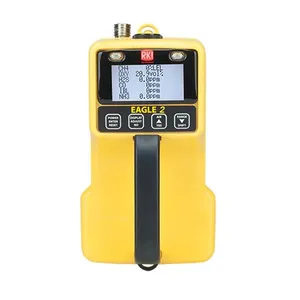
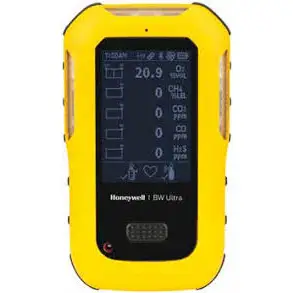
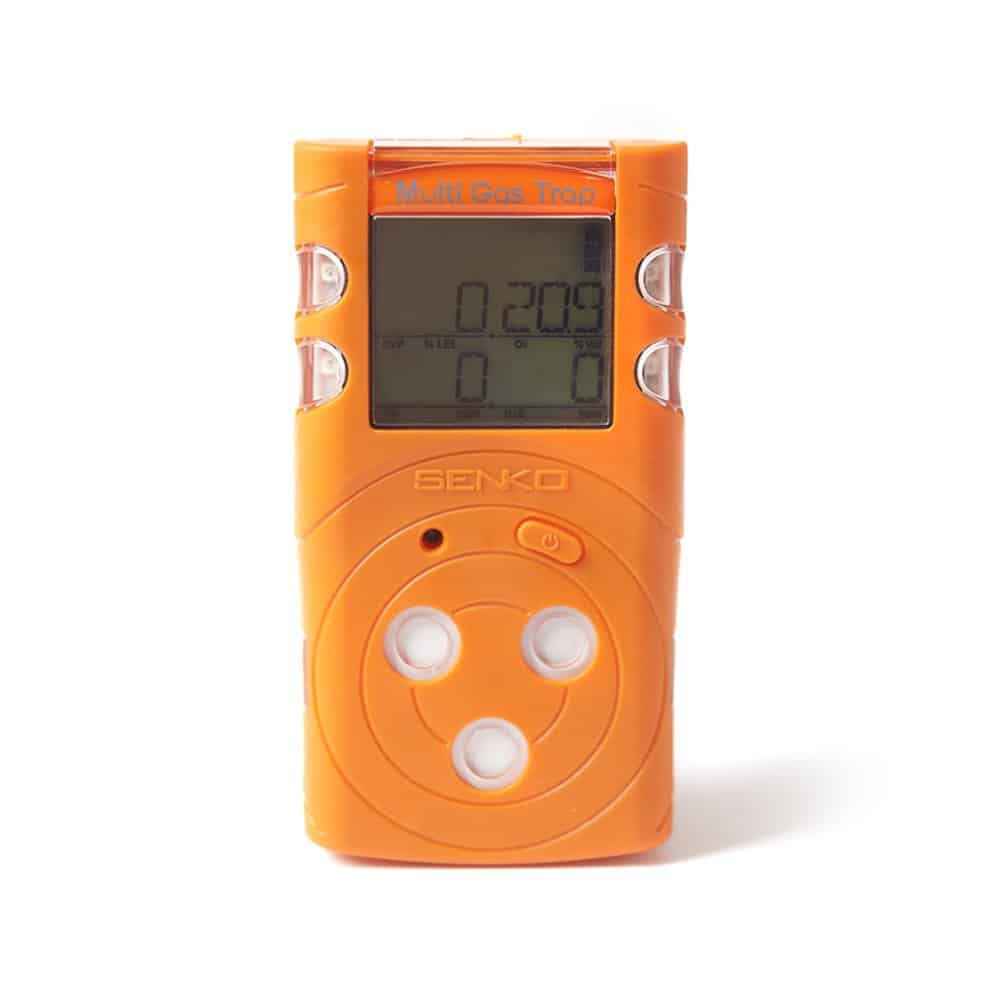
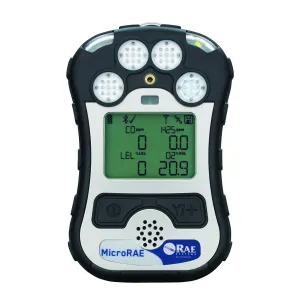
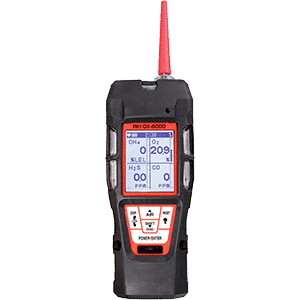
A multi-gas detector is a portable instrument that simultaneously monitors the air for multiple hazardous gases. Most devices are designed to detect a combination of:
- Oxygen (O₂): to identify oxygen-deficient or oxygen-enriched atmospheres
- Combustible gases: measured as a percentage of the Lower Explosive Limit (LEL)
- Carbon monoxide (CO): a colorless, odorless toxic gas
- Hydrogen sulfide (H₂S): common in oil and gas, wastewater, and confined space environments
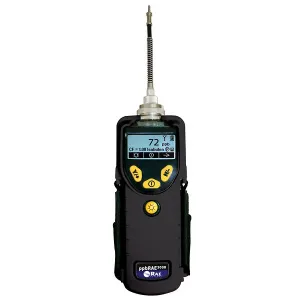
- Volatile organic compounds (VOCs): detected via photoionization detector (PID) sensors
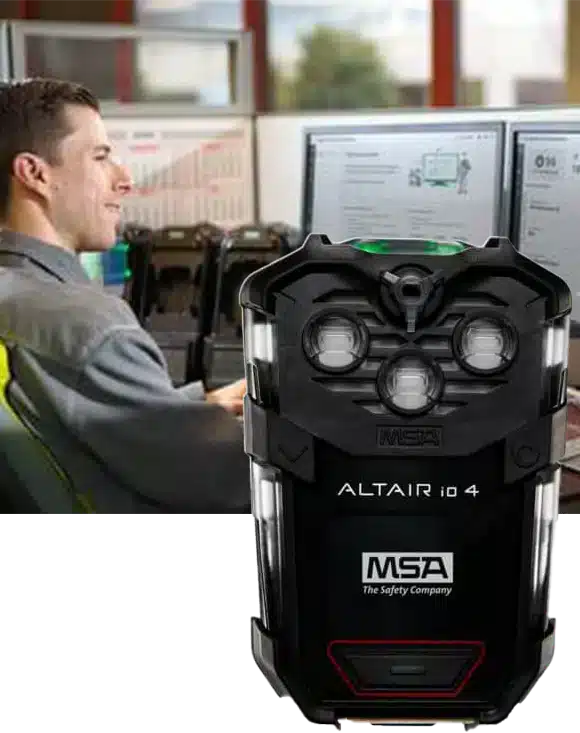
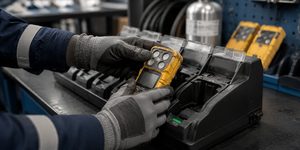
Multi-gas detectors are used across a wide range of industries, including oil and gas, construction, utilities, wastewater treatment, mining, and manufacturing. They are most commonly worn on the body or clipped to a worker’s lapel to provide continuous personal air monitoring throughout a shift.
Why Multi-Gas Detection Matters
Hazardous gas events can escalate in seconds. A gas leak in a confined space, a slow oxygen displacement in an enclosed area, or a combustible gas buildup near an ignition source can all have catastrophic consequences without adequate detection.
Beyond the immediate safety risk, there are regulatory requirements to consider. OSHA mandates atmospheric testing before workers enter permit-required confined spaces, and ongoing monitoring during work in hazardous environments. In Canada, similar requirements exist under provincial occupational health and safety legislation. Non-compliance carries serious legal and financial consequences, but more importantly, it puts workers at risk.
Multi-gas detectors address both concerns: they protect workers in real time and provide the documentation trail that supports compliance.
Top Features to Look for in a Multi-Gas Detector
1. Gas Detection Capabilities
The most fundamental question is whether the detector can monitor the gases present in your specific work environment. Standard four-gas configurations (LEL, O₂, CO, H₂S) cover most industrial applications, but some environments require additional sensors for VOCs, chlorine, ammonia, or other specific hazards.
Look for devices with:
- High-quality electrochemical, catalytic bead, infrared (IR), and photo ionization (PID) sensors for accuracy and reliability
The ability to add or swap sensors as your monitoring needs change - Low false alarm rates: a device that cries wolf too often leads to alarm fatigue
2. Real-Time Monitoring and Alerts
A detector that detects a hazard but fails to alert the worker quickly enough is a failure point. Effective alarm systems use multiple channels simultaneously:
- Audible alarms (loud enough to be heard in noisy environments)
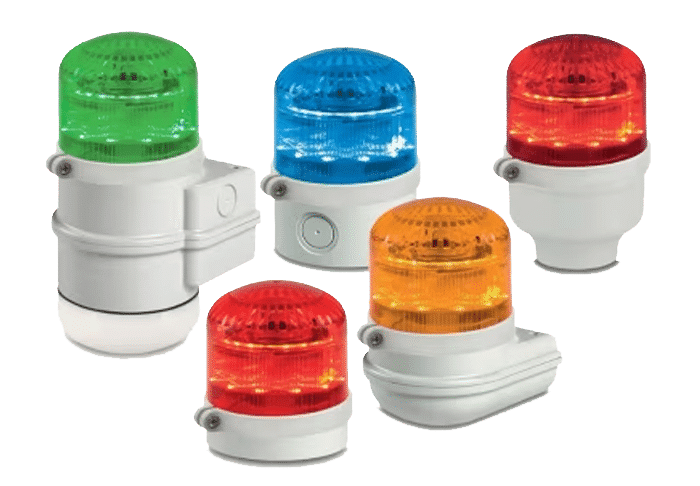
- Visual alarms (bright LEDs visible in daylight)
- Vibration alerts (essential when audible alarms may be masked)
Customizable alarm thresholds are also valuable, allowing safety teams to set warning levels appropriate to their specific hazard profiles and regulatory limits.
3. Portability and Design
Multi-gas detectors need to function in the conditions workers actually face, not just in a lab setting. Key design considerations include:
- Weight and size: lighter devices reduce fatigue and increase compliance with wearing requirements
- IP rating: look for IP68 for dust and water resistance
- Drop resistance: devices used in construction or field environments should withstand falls
- Clip or harness compatibility for hands-free wearing
4. Battery Life and Power Options
A detector that runs out of power mid-shift is a serious liability. Look for:
- Battery life that covers full-shift use (typically 10–18 hours minimum)
- IR Sensing options allowing for Months or Years of operation without having to recharge
- Clear low-battery warnings with enough lead time to respond
- Fast recharge times for operations running multiple shifts
- Rechargeable lithium-ion batteries for most applications; replaceable alkaline options for remote sites without reliable power access
Modern multi-gas detectors include data logging capabilities that allow safety teams to:
- Document exposure levels for regulatory reporting
- Review gas readings before, during, and after an incident
- Demonstrate due diligence during audits
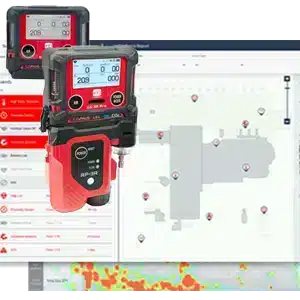
Connected devices with Bluetooth, Wi-Fi, or cellular integration go further, enabling real-time visibility through cloud-based platforms. This is particularly valuable for lone workers, large sites, or organizations managing multiple locations.
6. Ease of Use
Even the most capable detector is only effective if workers use it correctly. Prioritize devices with:
- Simple, intuitive interfaces that require minimal training
- Clear display readouts that are legible in varying light conditions
- One-button or automatic activation to reduce the risk of improper startup
- Bump test and calibration prompts that are built into the workflow
7. Calibration and Maintenance
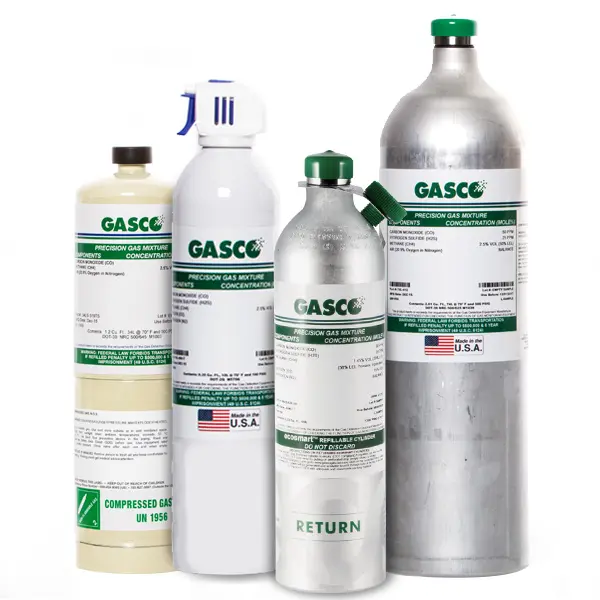
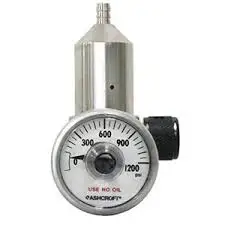
Sensors degrade over time and require regular calibration to maintain accuracy. When evaluating devices, consider:
- How often calibration is required and how easy the process is
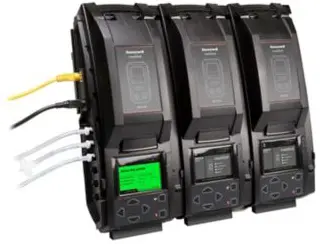
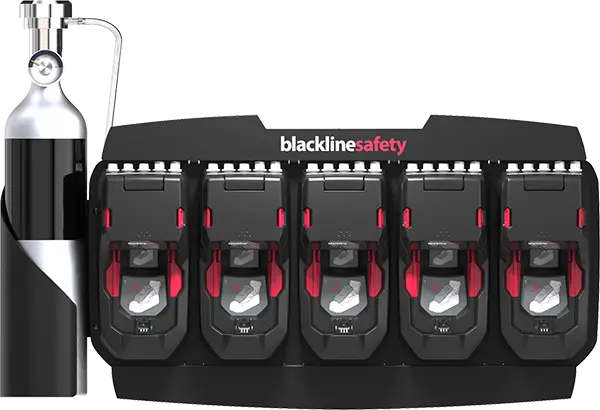
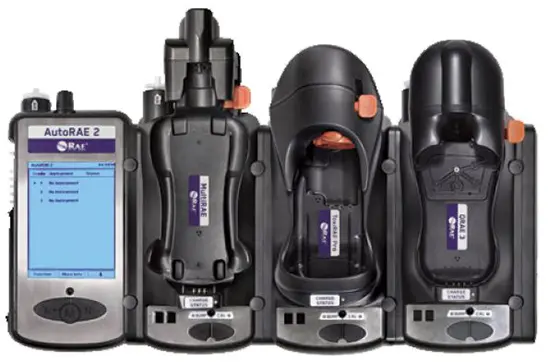
- Whether the manufacturer offers automated calibration docking stations
- Availability of replacement sensors and service support in your region
- Lead time and cost for repairs
Neglecting calibration is one of the most common ways organizations unknowingly compromise their gas detection programs.
8. Compliance and Certifications
For regulated industries, certifications are non-negotiable. Confirm that any device you consider carries the appropriate approvals for your environment and jurisdiction:
- CSA: industry standard for Canadian workplaces
- UL / cUL: standard for North American markets
- OSHA-compliant sensor configurations for US operations
Devices without the right certifications may be ineligible for use in certain environments regardless of their performance.
Portable vs. Fixed Multi-Gas Detectors
Portable and fixed detectors serve different purposes and are most effective when used together as part of a layered safety strategy.
Portable Detectors
- Worn or carried by individual workers
- Ideal for mobile work, confined space entry, and site assessments
- Provide personal-level protection regardless of where a worker is on site
- Essential for gas leak detection during inspections, maintenance tasks, and emergency response
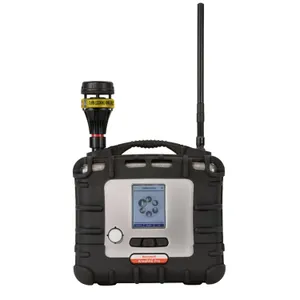
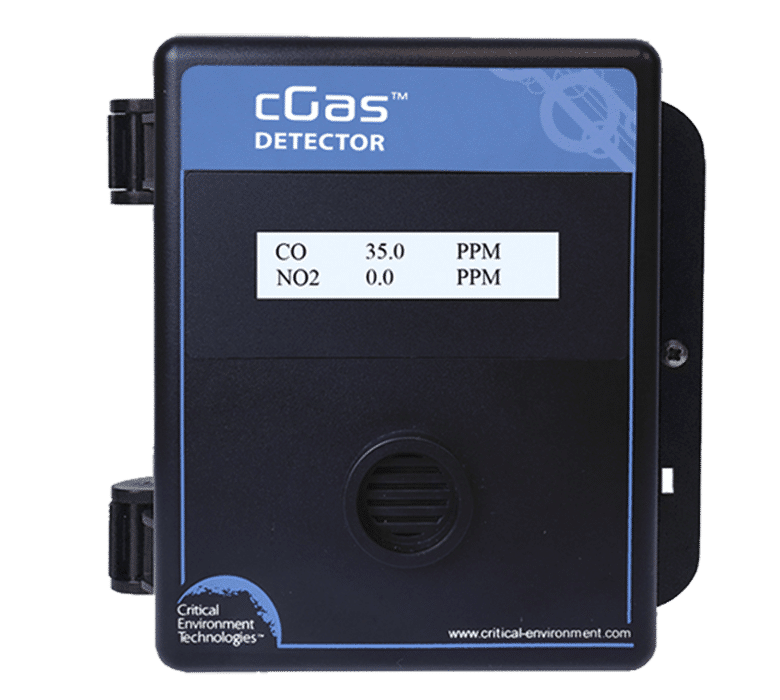
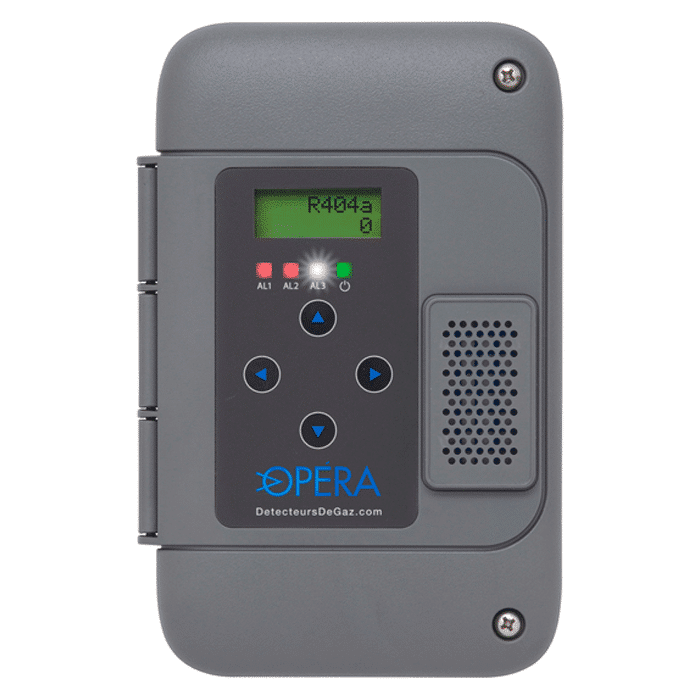
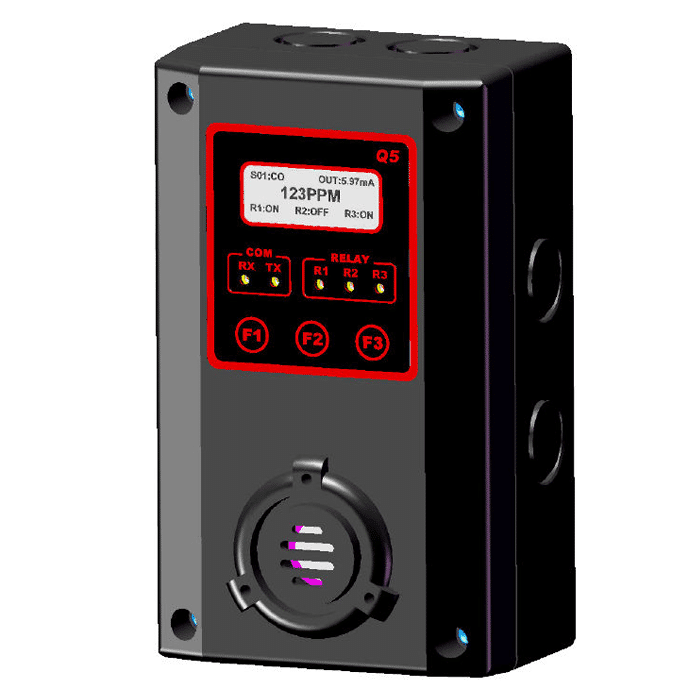
Fixed Detectors
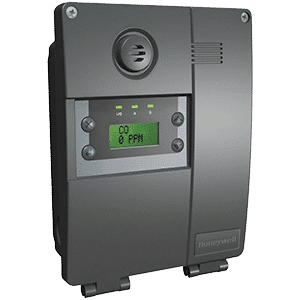
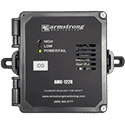
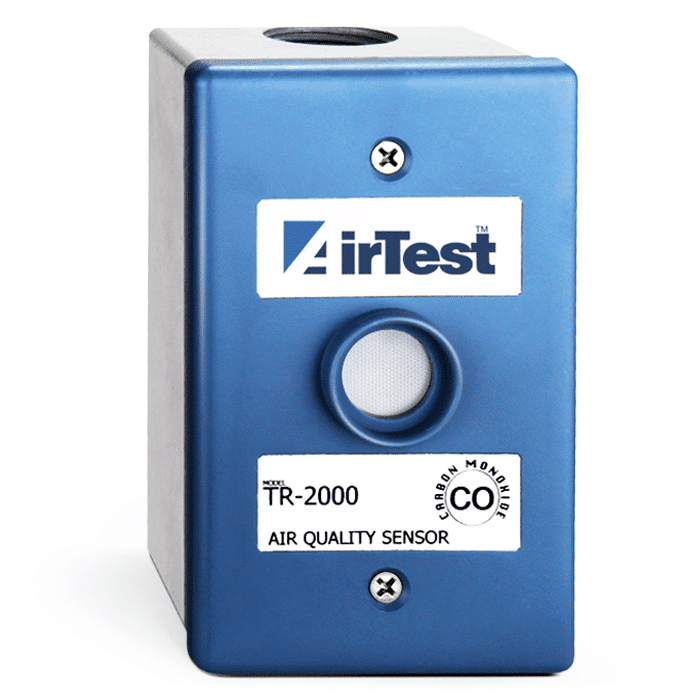
- Permanently installed at specific locations in a facility
- Monitor high-risk areas continuously, even when no workers are present
- Trigger facility-wide alarms and automated responses
- Best suited for process plants, compressor stations, and areas with consistent gas hazards
The right answer for most industrial facilities is both. Portable detectors protect individual workers wherever they go, while fixed systems provide continuous coverage of high-hazard areas and perimeter monitoring.
How to Choose the Right Device for Your Facility
Selecting a multi-gas detector starts with a clear-eyed assessment of your specific environment and needs:
- Identify the hazards: What gases are present or could be present? Has a formal hazard assessment been completed?
- Consider your workforce: How many workers need devices? Are they working solo, in teams, or across multiple sites?
- Think about connectivity: Does your program require real-time monitoring and reporting, or is periodic data download sufficient?
- Factor in the total cost of ownership: Purchase price is only part of the equation. Calibration costs, sensor replacement intervals, and service availability all affect long-term value.
- Evaluate integration: Will the device work with your existing safety management systems or docking infrastructure?
If you’re in the early stages of evaluating options, Concept Controls carries a broad range of portable multi-gas detectors from trusted manufacturers. Our team can help you match the right device to your environment, budget, and compliance requirements.
Common Mistakes to Avoid
Even well-intentioned programs can fall short. Watch for these frequent missteps:
- Choosing based on price alone: A low-cost device with poor sensor accuracy or limited certification may not provide the protection your environment requires.
- Skipping or delaying calibration: Sensors drift over time. An uncalibrated detector may not alarm when it should, or alarm when it shouldn’t.
- Inadequate training: Workers who don’t understand how to use, wear, or respond to their detectors are not fully protected.
- Ignoring data capabilities: Organizations that don’t leverage exposure data are missing a valuable tool for identifying trends, improving procedures, and demonstrating compliance.
- Buying for today’s hazards only: Choose a platform that can accommodate additional sensors as your operations evolve.
The Right Detector Makes All the Difference
Selecting the right multi-gas detector is a decision that directly affects worker safety, regulatory compliance, and operational continuity. The best device for your facility is one that accurately detects the gases your workers may encounter, reliably alerts them, withstands the conditions of the job, and integrates with your broader safety program.
Taking the time to evaluate features, not just price, is what separates a safety program that checks a box from one that genuinely protects people.

Explore Our Safety Solutions
At Concept Controls, our specialists can help you assess your environment and match the right device to your needs. Contact us today. We are happy to answer questions, compare products, or arrange a demo.