


A respirator is only effective when it fits correctly. Even the highest-rated N95 or full-face respirator provides little protection if air leaks around the face seal—and most workers have no way of knowing whether their mask fits as intended without proper testing.
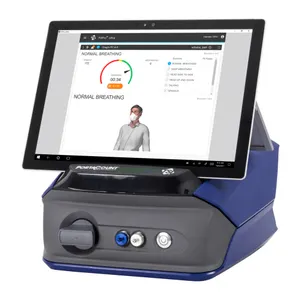
The TSI PortaCount is one of the most accurate quantitative respirator fit testing instruments available. It measures exactly how much air leaks into a respirator during wear, producing objective, documented results that support both worker safety and regulatory compliance. This guide explains how it works, why it matters, and what you need to know about maintaining a compliant respiratory protection program.
What Is a PortaCount?
The PortaCount is a quantitative respirator fit testing instrument manufactured by TSI Incorporated, one of the leading precision measurement companies in the world. Unlike subjective testing methods that rely on a worker’s ability to detect a taste or odor, the PortaCount measures actual particle leakage into the respirator and produces a numerical fit factor that reflects how well the mask seals against the face.
It is compatible with a wide range of respirator types, including:
- N95 filtering facepiece respirators
- Elastomeric half-mask respirators
- Full-face respirators
- Powered air-purifying respirators (PAPRs), in applicable configurations
The PortaCount is used in industries where workers rely on respiratory protection against airborne hazards, including healthcare, oil and gas, construction, manufacturing, chemical processing, utilities, and mining.
How Does PortaCount Fit Testing Work?
The testing process follows a standardized protocol designed to simulate real workplace conditions and movement. Here’s how it works from start to finish.
Preparing the respirator
Before testing begins, the worker selects the correct respirator model and size for their face, dons it according to manufacturer instructions, and performs a user seal check. The test evaluates fit, not just the respirator itself, so the setup must reflect how the worker will actually wear the device on the job.
Connecting the instrument
The PortaCount uses a small probe that connects to the inside of the respirator facepiece. This allows the instrument to simultaneously sample ambient air from outside the mask and air from inside the mask. The comparison between these two samples is what generates the fit factor.
Performing the test exercises
During the test, the worker performs a series of exercises designed to replicate the physical demands of typical workplace activities. The OSHA-required exercise sequence includes:
- Normal breathing
- Deep breathing
- Turning the head side to side
- Moving the head up and down
- Talking
- Bending over
- Normal breathing again
Each exercise is timed, and the PortaCount continuously monitors particle concentrations throughout the sequence. This ensures the fit factor reflects performance in real-world movements, not just a static seal.
Measuring particle leakage
The PortaCount counts airborne particles—naturally occurring in any indoor environment—on both sides of the face seal simultaneously. By comparing the concentration of particles outside the mask to those inside, it calculates a fit factor that represents how effectively the respirator is protecting the wearer.
What Is a Fit Factor?
A fit factor is a numerical expression of how well a respirator seals against the face. The higher the fit factor, the better the seal and the greater the protection. A low fit factor indicates that particles are leaking into the respirator at a rate that may not be acceptable for the intended hazard environment.
Fit factors provide something qualitative methods cannot: an objective, documented number that can be recorded, reviewed, and compared over time. This makes them particularly valuable for compliance documentation and for programs that need to demonstrate due diligence under OSHA’s Respiratory Protection Standard.
Quantitative vs. Qualitative Fit Testing
Both quantitative and qualitative fit testing methods are accepted under OSHA’s Respiratory Protection Standard, but they differ significantly in accuracy, application, and reliability.
Quantitative fit testing (PortaCount):
- Produces an objective, numerical fit factor based on measured particle concentrations
- Highly accurate and able to detect very small leaks that may not be perceptible to the wearer
- Suitable for a wide range of respirator types including full-face respirators
- Generates digital documentation for compliance recordkeeping
- Does not rely on the wearer’s ability to detect a challenge agent
Qualitative fit testing:
- Relies on the worker’s subjective response to a taste or smell challenge agent
- Produces a pass/fail result only, not a numerical measurement
- Less precise, as results depend on individual perception and sensitivity
- Limited to half-mask respirators and N95s in most applications
- Does not produce the same level of objective documentation
For organizations operating in higher-risk environments, such as oil and gas, chemical processing, healthcare, mining, and similar industries, quantitative fit testing is the preferred approach. It removes subjectivity from the process and provides defensible, documented results that hold up under regulatory scrutiny.
Why Proper Respirator Fit Matters
The consequences of a poor fit include:
- Direct exposure to airborne contaminants that the respirator is intended to block
- Reduced worker confidence in their protective equipment
- OSHA non-compliance, which carries both legal and financial consequences
- Increased risk of occupational illness in environments with toxic dust, vapors, or biological hazards
Even a premium respirator from a leading manufacturer provides inadequate protection if it is not fitted correctly to the individual wearing it. Respirator fit is personal; face shape, facial hair, dental work, and other physical characteristics affect how a mask seals. Testing confirms that the specific combination of worker and respirator actually works as intended.
OSHA Respirator Fit Testing Requirements
OSHA’s Respiratory Protection Standard (29 CFR 1910.134) requires fit testing for all workers who wear tight-fitting respirators as part of a respiratory protection program. Key requirements include:
Initial fit testing: workers must be fit tested before they begin using a respirator in the workplace, using the specific make, model, style, and size of respirator they will wear on the job.
Annual fit testing: fit testing must be repeated at least once per year to ensure the seal remains adequate over time.
Additional fit testing: A new fit test is required whenever:
- The worker reports a change in physical condition that could affect fit, such as significant weight loss or gain
- The worker has undergone facial surgery, dental work, or has developed facial scarring
- The worker is issued a different make, model, style, or size of respirator
Failure to meet these requirements puts the workers at risk and exposes the organizations to OSHA citations, penalties, and liability.
Benefits of PortaCount Fit Testing
Organizations that use the PortaCount for their fit testing programs gain several practical advantages:
- Accurate, objective results: numerical fit factors eliminate the subjectivity inherent in qualitative methods
- Fast testing: the standardized exercise protocol is efficient, making it practical even for large employee populations
- Digital documentation: results can be logged and stored for compliance records and audit purposes
Broad respirator compatibility: the PortaCount tests most tight-fitting respirator types used across industrial and healthcare environments - OSHA compliance support: quantitative results align directly with OSHA documentation requirements
Increased worker confidence: workers who know their respirator has been objectively tested are more likely to trust and consistently use their equipment
When Should Your Organization Schedule a Fit Testing?
Any organization that requires workers to wear tight-fitting respirators under OSHA’s Respiratory Protection Standard needs a fit testing program. This includes:
- Construction and contracting firms working in environments with dust, silica, or chemical exposure
- Oil and gas operations where workers encounter H₂S, VOCs, and other airborne hazards
- Manufacturing facilities with airborne particulates, fumes, or chemical vapors
- Healthcare organizations where workers use N95 respirators for infection control
- Chemical processing and pharmaceutical facilities
- Utilities and municipal workers in confined space or environmental response situations
- Mining operations with exposure to dust and airborne contaminants
Annual scheduling is the OSHA baseline, but organizations should also build a process for triggering additional testing whenever physical changes or equipment changes occur. A proactive program catches gaps before they become compliance issues.
Fit Testing Is the Foundation of Respiratory Protection
A respiratory protection program is only as strong as its fit testing component. The PortaCount provides objective, documented evidence that a respirator is actually sealing correctly for each individual worker.
Regular quantitative fit testing protects employees from airborne hazards, supports ongoing OSHA compliance, and gives safety managers the documentation they need to demonstrate that their respiratory protection program is working as intended.
Concept Controls is Canada’s only TSI Factory Authorized Service Center, and we carry the full TSI PortaCount lineup for organizations looking to build or upgrade their fit testing programs. Whether you need to purchase a unit, schedule a rental, or send your existing PortaCount in for calibration and service, our team is ready to help. Contact us to talk to our respiratory protection specialists.
Explore Our Safety Solutions
At Concept Controls, our specialists can help you assess your environment and match the right device to your needs. Contact us today. We are happy to answer questions, compare products, or arrange a demo.