
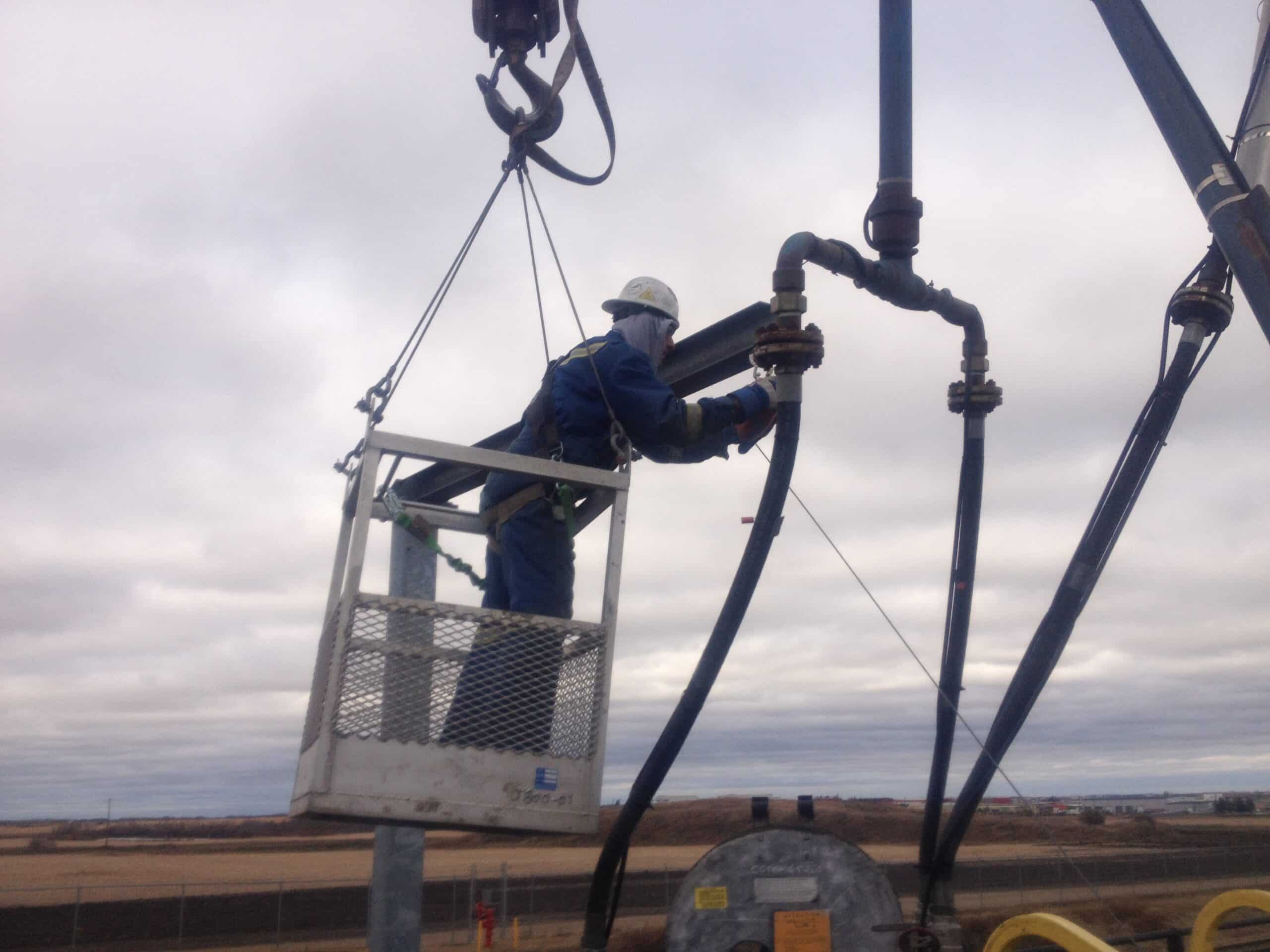
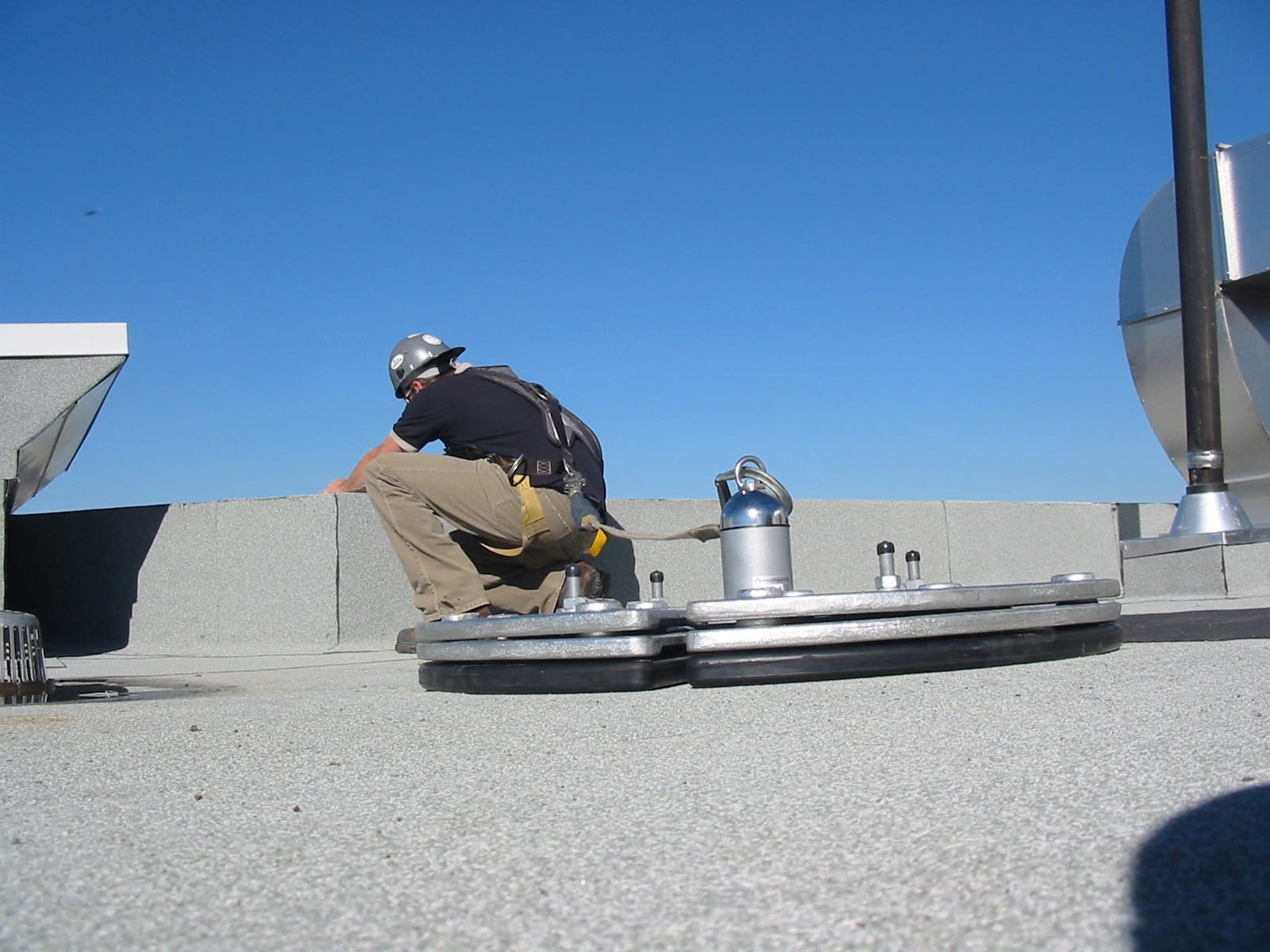


Working at heights is one of the most hazardous activities in any industry. Falls remain a leading cause of serious injuries and fatalities in construction, oil and gas, utilities, and industrial maintenance.
The right fall protection equipment makes all the difference, but selecting a safety harness is not as straightforward as picking a size off a shelf. Different work environments, job tasks, and regulatory requirements all influence which harness is right for your team. This guide walks you through what you need to know to make a confident, informed decision.
Why Safety Harness Selection Matters
A harness that does not meet the demands of the job poses risks that are not always obvious. An ill-fitting harness can shift during a fall, concentrating force in dangerous areas. A harness chosen for the wrong application may not provide adequate protection at all. And an uncomfortable harness will get adjusted improperly or, worse, avoided.
Beyond worker safety, proper harness selection is a compliance issue. In Canada, fall protection equipment must meet CSA Z259 standards, and employers are responsible for ensuring workers are equipped with appropriate, certified gear. Getting this right protects your people and your organization.
Types of Safety Harnesses
Understanding harness categories is the essential first step before evaluating any specific product.
Full-body harnesses
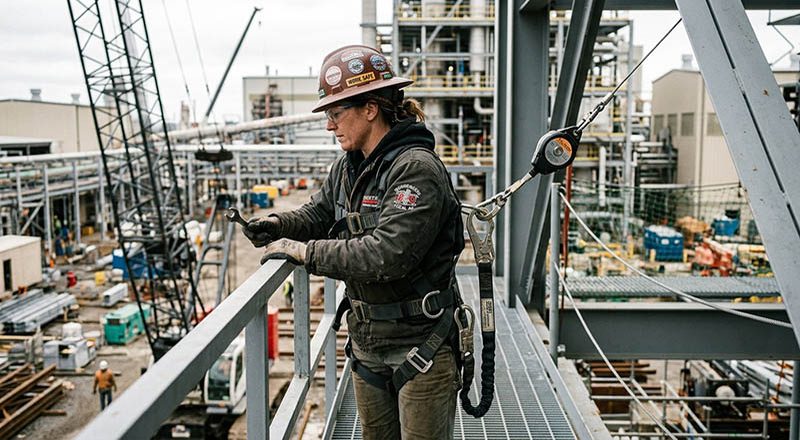
These are the standards for most fall protection applications. They distribute the force of a fall arrest across the chest, shoulders, and thighs, minimizing injury. Most feature a dorsal D-ring for connecting to a lanyard or self-retracting lifeline and are suitable for construction, industrial, and general working-at-heights scenarios.
Suspension harnesses
Ideal for applications where a worker must remain suspended for an extended period, such as rope access, window washing, utility work, or rescue operations. Unlike a standard fall arrest harness, a suspension harness is engineered for prolonged hanging, with wider padded leg loops and a sternal D-ring to keep the body upright and maintain circulation. Using a standard harness in a suspension scenario can lead to harness hang syndrome within minutes, making the right harness choice here critical.
Positioning harnesses
These allow workers to lean into a structure hands-free, with support from side D-rings. They are common in applications such as tower climbing or steel erection, where both hands must remain free.
Retrieval harnesses
Used in confined-space entry scenarios, these harnesses enable rescuing a worker without requiring a rescuer to enter the space.
Key Features to Look For
Once you have identified the harness type you need, the following features will help refine your selection:
Optimal D-Ring Placement
Dorsal D-rings are standard for fall arrest. Front sternal D-rings are required for suspension and confined space retrieval. Side D-rings support work positioning. Make sure the harness you choose has the attachment points your application requires.
Enhanced Padding for Comfort
For workers wearing a harness during extended shifts, ergonomic padding across the shoulders, back, and legs significantly reduces fatigue; a comfortable worker is a safer worker.
Adjustability and Fit
A harness must fit properly to function. Look for designs with multiple adjustment points to accommodate different body types, and always verify that the weight capacity accounts for the worker, tools, and equipment.
Tool Attachment Options
Some harnesses include integrated tool loops, while others are compatible with tool lanyards and accessories. If your workers carry tools at height, this is worth considering. It reduces clutter and keeps tools from becoming drop hazards.
Durability and Materials
Exposure to chemicals, moisture, UV, and extreme temperatures degrades harness materials over time. Match the harness material to your work environment.
Understanding the Harness Line
For companies looking for dependable, widely trusted fall protection, the 3M Protecta Harness line is a strong place to start. Protecta harnesses are known for their durability, ease of adjustment, and solid construction at an accessible price point, making them a practical choice for outfitting large crews across construction, manufacturing, and industrial environments.
The Protecta Pro steps up with enhanced features for more demanding applications, while still maintaining the straightforward, no-fuss design that makes the Protecta line so widely adopted. Both options carry the reliability that safety managers and procurement teams expect from 3M.
The 3M ExoFit Series: Built for All-Day Wear
For workers who spend their entire shift in a harness, comfort becomes a safety factor in its own right. The 3M ExoFit series addresses this directly, with each tier offering progressively advanced ergonomic features.
The ExoFit X100 is a lightweight, durable everyday option. The X200 adds enhanced padding and lumbar support for greater comfort on longer jobs. The X300 is the premium tier, built for demanding environments with an advanced ergonomic design and broad compatibility with ExoFit tools and accessories. It helps workers stay productive and protected through full-shift wear.
Choosing the Right Harness for Your Environment
Different job sites demand different solutions:
- Construction: a durable full-body harness with a dorsal D-ring and tool attachment points
- Industrial maintenance: comfort-focused design for extended wear, chemical-resistant materials where applicable
- Confined space entry: a retrieval harness with a sternal D-ring for emergency extraction
- Rope access or utility work: a dedicated suspension harness with padded leg loops and a sternal attachment point
When in doubt, consult a fall protection specialist who can assess your specific hazards and recommend the right solution.
Best Practices for Harness Use and Inspection
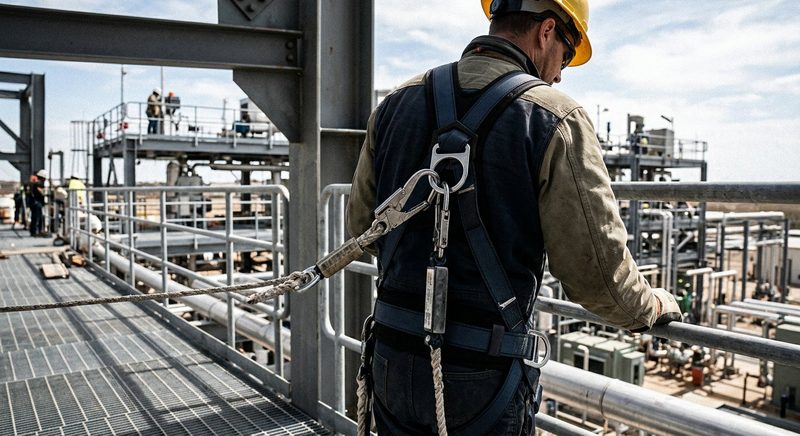
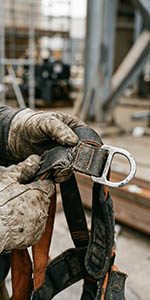
Buying the right harness is only part of the equation. Before every use, inspect for cuts, fraying, burns, chemical damage, hardware deformation, and stitching integrity. Any harness showing signs of damage should be removed from service immediately.
After any fall arrest event, the harness must be retired, even if there is no visible damage. The forces involved compromise structural integrity in ways that are not always visible to the naked eye.
Train workers on proper donning, adjustment, and inspection. A harness worn incorrectly provides far less protection than one worn as intended.
Conclusion
Selecting the right safety harness comes down to knowing your hazard, understanding your regulatory requirements, and matching those needs to the right product and brand. Whether you are outfitting one worker or an entire fleet, investing in the right fall-protection PPE is one of the most important decisions you can make for your team’s safety.
Explore Our Safety Solutions
At Concept Controls, our fall protection specialists are here to help. Explore our full lineup of working-at-heights safety equipment, or contact us to discuss the best solution for keeping your crew safe.